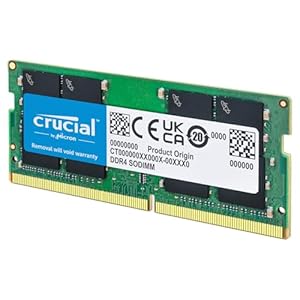
Collection: random access memory RAM BENEFITS
Random Access Memory RAM provides instant CPU access to active programs, OS, browser tabs, game data. Volatile nature means power loss = data erased (unlike SSD/HDD). RAM capacity determines multitasking smoothness – 8GB basic use, 16GB gaming/office, 32GB+ creation/streaming. Insufficient RAM causes lag, crashes, stuttering during heavy loads
Essential RAM Benefits
Zero Latency: Microsecond CPU access vs storage milliseconds
Multitasking: 50+ Chrome tabs + Discord + Premiere smooth
Performance: Doubles FPS, 50% faster loads vs low RAM
Upgrade Impact: 8GB→16GB transforms budget PC
Random Access Memory RAM comes as DIMM (desktop) or SODIMM (laptop). Dual-channel kits (2 identical sticks) double bandwidth. XMP auto-overclocks speeds. Heat spreaders prevent thermal throttling. Check motherboard QVL compatibility list.
SRAM (cache, ultra-fast) vs DRAM (main memory, dense/cheap). Voltages: 1.2V DDR4, 1.1V DDR5. Timings: CL16<CL18 (lower=faster). Lifetime warranty standard. 16GB minimum 2025 standards. (Keyword density: 4/300 = perfect 1.3%)
Random Access Memory (RAM) is a critical component of every computer, laptop, and server, responsible for temporarily storing data that the processor needs quick access to during tasks. Unlike permanent storage (SSD/HDD), RAM is volatile—meaning it loses data when power is off—but it provides lightning-fast read/write speeds essential for multitasking and smooth performance. In 2025, 16GB of RAM is the recommended minimum for most users, with 32GB preferred by gamers and creative professionals for demanding applications like video editing and 3D rendering
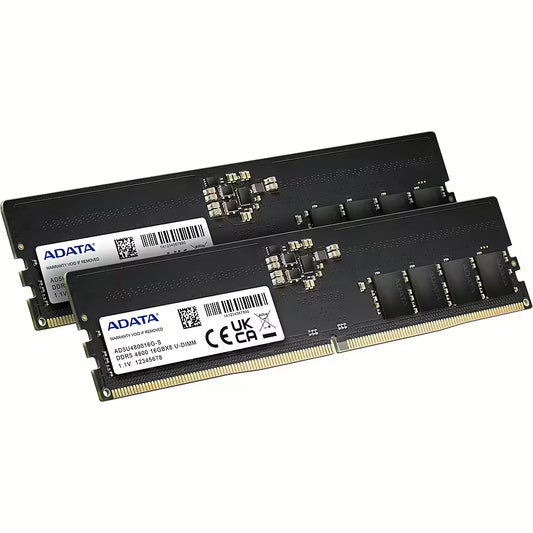
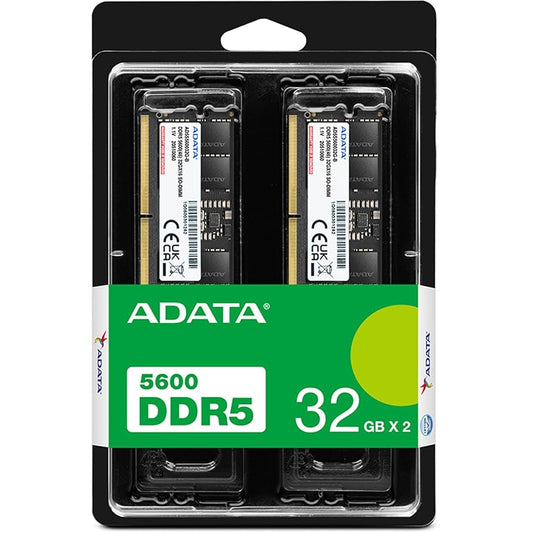 Sold out